Aug 07, 2025
Automated Invoice Processing
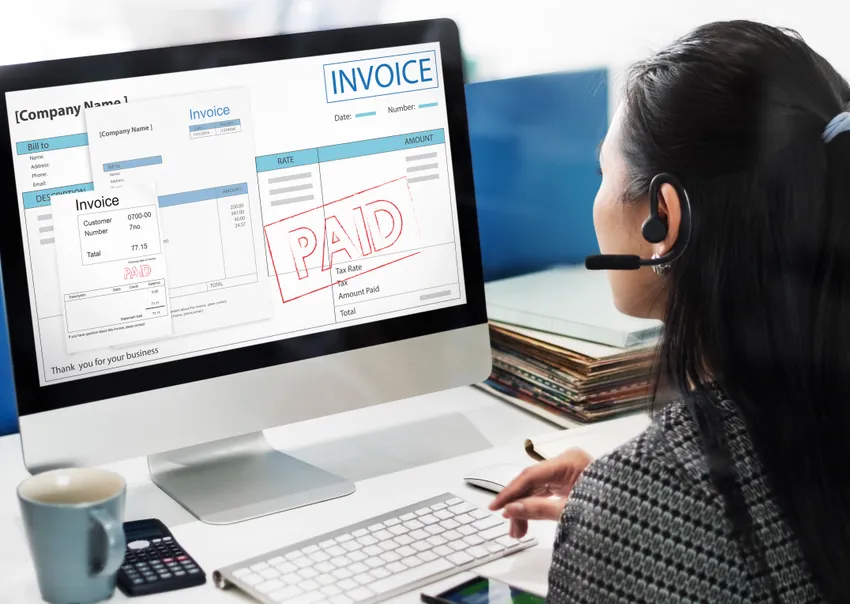
Processing invoices is a critical part of keeping the lights on, but for many companies, it is still a slow and manual grind. This traditional approach, which involves sorting stacks of paper, keying in numbers, and chasing approvals, not only consumes valuable time but also increases the risk of costly errors and delayed payments.
Automation changes the game by eliminating the need for manual data entry and reducing errors. This shift transforms entire financial operations, making them more agile, scalable, and strategic. The future of invoice processing is poised for a revolution; according to SuperAGI, over 70% of organizations are already exploring the potential of Artificial Intelligence (AI) to automate and streamline their financial operations.
The True Cost of Manual Invoice Processing
Manual invoice processing remains a significant source of inefficiency, time consumption, and error-prone practices. Traditional methods simply cannot keep up with rising invoice volumes and growing demands on finance teams.
The inefficiencies are costly:
-
The average cost to manually process a single invoice can range from $15 to $40, depending on complexity, business size, and geographic footprint.
-
Processing time is slow, averaging 8.6 days for a manual invoice
-
Manual data entry is prone to errors. Dataline cites average error rates for manual Accounts Payable (AP) processes as being between 3% and 5%.
What Is Automated Invoice Processing (AIP)?
Automated invoice processing is the use of technology to streamline and optimize the handling of invoices by automating time-consuming, repetitive tasks. It eliminates manual data entry, approval bottlenecks, and payment delays by using AI-driven tools to extract, validate, and route invoices for approval.
According to Workday, an IAP process involves five stages:
1. Invoice Capture: Automated systems use Optical Character Recognition (OCR) and AI-powered data extraction to pull key details from various formats (email, paper, supplier portals, etc.), eliminating the need for manual entry.
2. Data Validation: Captured data is automatically cross-referenced against purchase orders (POs), contracts, and historical records. The system detects discrepancies, such as duplicate invoices or incorrect totals, helping prevent fraud and overpayments.
3. Approval Workflow: Automated workflows route invoices to the correct approvers based on predefined rules. Managers receive instant notifications and can review and approve invoices from any device. AI-powered systems can even recommend actions based on past approvals.
4. Payment Processing: Once approved, payments are scheduled automatically based on due dates and integrate seamlessly with Enterprise Resource Planning (ERP) and accounting systems.
5. Monitoring and Audit Readiness: AI provides continuous monitoring capabilities, ensuring that businesses can generate compliance reports with ease.
6 Steps for Implementation
Successful AIP requires a thoughtful approach that aligns with business objectives and financial workflows.
A well-planned rollout ensures that automation delivers measurable improvements in efficiency, accuracy, and cost savings. Workday outlines six key steps for implementation:
1. Assess Current Workflows: Evaluate existing methods to pinpoint inefficiencies, such as approval bottlenecks or recurring errors, to determine where automation will have the greatest impact.
2. Define Goals and Success Metrics: Set clear goals (e.g., speed up processing times, enhance accuracy) to measure performance and make data-driven adjustments.
3. Choose the Right Solution: Prioritize platforms with AI-driven data capture, customizable approval workflows, and advanced analytics that integrate seamlessly with existing ERP and accounting systems.
4. Customize Workflows and Approval Processes: Configure approval hierarchies, exception handling rules, and compliance protocols to ensure invoices flow efficiently while maintaining oversight.
5. Train Teams and Drive Adoption: Provide comprehensive training to ensure smooth adoption and foster company-wide buy-in.
6. Monitor Performance and Optimize Continuously: Regularly track KPIs like invoice cycle times and error rates to refine workflows and maximize long-term benefits.
Gartner predicts that by 2026, over 75% of large enterprises will have fully automated at least one major finance process, with AP ranking among the top priorities. Companies that invest in automation today will create a financial infrastructure that is scalable, adaptable, and built for the future.
Ready to Transform Your Financial Operations?
The journey from manual processing to intelligent automation can seem complex, but the benefits are clear.
Contact us today for a free, no-obligation consultation to see how automation can work for you.
Related Blogs
See All Blogs
The State of Enterprise AI Security in 2026
As organizations move rapidly to integrate Artificial Intelligence into their core operations, a new strategic tension has emerged. While AI...

Understanding Agentic AI
In the recent evolution of corporate technology, we have largely focused on "copilots"—AI tools that suggest text, summarize meetings, or...

Bridging AI Agents with Enterprise Core ERP
For decades, the Enterprise Resource Planning (ERP) system has served as the undisputed "system of record" for the modern organization. It...
Enhance your Document Handling
Automate your document processing workflow and get the right data instantly delivered to your system.